
Navigating Wisdom Tooth Extraction
Relief for Your Smile
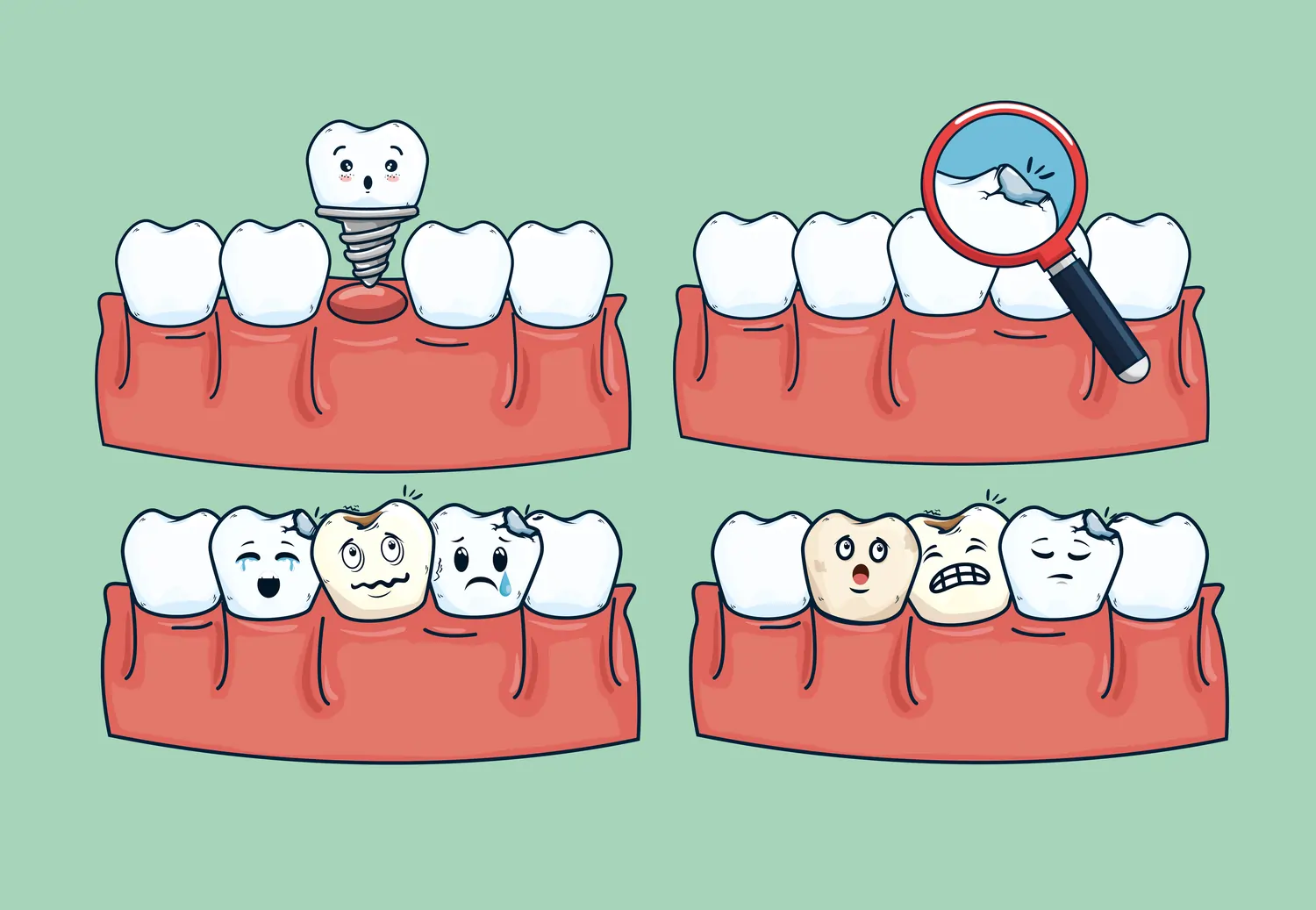
For many young adults, the emergence of third molars—commonly known as wisdom teeth—becomes a significant dental milestone, often accompanied by discomfort. While these teeth were once necessary for our ancestors’ diets, modern dental evolution frequently leaves little room for them, leading to the need for professional wisdom teeth removal.
Understanding Wisdom Teeth Function
Historically, wisdom teeth function was to help chew coarse, high-fiber foods like roots and raw meats. However, as the human jaw has become smaller over time, these teeth often lack the space to erupt properly. When a wisdom tooth cannot break through the gum line completely or grows at an angle, it becomes “impacted,” which can jeopardize the health of neighboring teeth.
Recognizing the Symptoms of Trouble
Ignoring the early warning signs of impaction can lead to more complex oral health issues. Common symptoms that indicate a need for a specialist consultation include:
- Wisdom Tooth Pain: A persistent, dull ache or sharp throbbing at the back of the jaw.
- Gum Swelling Due to Wisdom Teeth: Inflammation or redness in the very back of the mouth, which may make it difficult to open your jaw fully.
- Difficulty Chewing: Discomfort that arises specifically when trying to eat or bite down.
- Unpleasant Taste or Breath: Food particles can become trapped around a partially erupted tooth, leading to localized infection or “pericoronitis”.
The Extraction Process: What to Expect
Modern wisdom teeth removal is a routine procedure managed by an experienced Oral Maxillofacial Surgeon to ensure maximum patient comfort.
- Diagnostic Imaging: Using advanced digital X-rays or CBCT scans, the surgeon determines the exact position of the tooth and its proximity to nerves.
- Painless Procedure: The extraction is performed under local anesthesia, ensuring you feel no sharp pain during the session.
- Surgical Precision: For impacted teeth, a small incision is made in the gum to safely remove the tooth, often in sections to preserve the surrounding bone.
- Recovery and Aftercare: While some minor soreness is normal for a day or two, most patients return to their regular routine within a short period.
Long-Term Benefits of Early Removal
Proactively addressing wisdom tooth issues prevents a domino effect of dental problems. Timely extraction helps avoid jaw and tooth misalignment, protects against the formation of cysts, and eliminates the risk of chronic infections in the back of the mouth.
By consulting with a specialist at the first sign of wisdom tooth pain, you ensure that your facial symmetry and functional bite remain protected for years to come.
To ensure optimal healing and prevent complications like “dry socket,” the first 48 hours following your wisdom teeth removal are the most critical. Below is a recovery guide based on expert maxillofacial care protocols.
The First 24 Hours: Stabilization
- Bite on Gauze: Keep firm pressure on the provided gauze for at least 30–60 minutes post-surgery to control minor bleeding.
- Avoid Spitting or Straws: The suction created by straws or forceful spitting can dislodge the blood clot, leading to a painful dry socket.
- Ice Packs: Apply ice to the outside of your face in 20-minute intervals to minimize gum swelling due to wisdom teeth.
- Rest: Keep your head elevated and avoid any strenuous physical activity, which can increase blood flow to the head and cause bleeding.
Dietary Guidelines (First 48 Hours)
Stick to “no-chew” foods to prevent irritating the surgical site.
Multiple Sitting Root Canal Treatment
| Day | Recommended Foods | Foods to Avoid |
|---|---|---|
| Day 1 | Greek yogurt, lukewarm broths, smooth applesauce, and meal replacement shakes. | Hot liquids (coffee/tea), spicy foods, and anything with seeds. |
| Day 2 | Mashed potatoes, scrambled eggs, hummus, and very soft pasta. | Crunchy snacks (chips/nuts), chewy meats, and acidic juices. |
Hygiene & Oral Care
Proper hygiene is vital to prevent infection without disturbing the wound.
- No Rinsing (Day 1): Do not rinse your mouth for the first 24 hours.
- Gentle Saltwater Rinse (Day 2): Starting the second day, gently lean over the sink and let a warm saltwater solution fall out of your mouth to keep the area clean.
- Brushing: You may brush your other teeth carefully, but stay completely away from the extraction site for the first few days.
Pain Management
Managing wisdom tooth pain post-extraction is typically straightforward with medication.
- Prescribed Medications: Take any antibiotics or anti-inflammatories exactly as directed by your surgeon.
- Over-the-Counter Relief: Most soreness can be managed with standard pain relief like paracetamol or ibuprofen.
While most patients recover from wisdom teeth removal without any issues, it is important to monitor your healing process closely. If you experience any of the following “red flag” symptoms, you should contact your Oral Maxillofacial Surgeon or the Maxillofacial trauma clinic immediately to prevent long-term complications.
Immediate Warning Signs
- Uncontrolled Bleeding: If heavy bleeding continues despite biting down firmly on gauze for 45–60 minutes.
- Severe or Worsening Pain: If your wisdom tooth pain intensifies 3–5 days after surgery, which may indicate a dry socket (loss of the blood clot).
- High Fever: A persistent fever or chills, which are often signs of a post-operative infection.
- Difficulty Breathing or Swallowing: This is a medical emergency and may indicate severe gum swelling due to wisdom teeth or an allergic reaction.
Signs of Infection or Nerve Issues
- Pus or Discharge: Any yellow or white discharge from the extraction site accompanied by a foul taste.
- Persistent Numbness: If you experience a loss of feeling or a “tingling” sensation in your lip, tongue, or chin that lasts more than 24 hours after the anesthesia should have worn off.
- Spreading Swelling: If the swelling in your cheek or neck increases after the third day instead of subsiding.
- Nasal Issues: For upper wisdom tooth extractions, if you notice fluid or air passing between your mouth and nose when you swallow or breathe.
Functional Red Flags
- Jaw Stiffness (Trismus): If you are unable to open your mouth more than a finger’s width apart after the first few days of recovery.
- Displaced Sutures: If your stitches come loose or fall out significantly earlier than the timeline discussed by your specialist.
Early intervention by a Maxillofacial Trauma Specialist can resolve these issues quickly through professional cleaning, medicated dressings, or adjusted antibiotic prescriptions.
To ensure your recovery is progressing perfectly, it is helpful to have a focused set of questions for your follow-up. This helps your Oral Maxillofacial Surgeon or root canal specialist assess both the functional healing and the cosmetic outcome.
Here is a checklist of questions you can use during your appointment:
On Healing and Activity
- Healing Progress: Is the extraction site closing at the expected rate, and is the tissue healthy?
- Stitch Removal: If non-dissolvable sutures were used, when will they be removed, and is there any remaining debris in the area?
- Physical Activity: When can I safely resume high-impact exercise or sports without risking a late-stage bleed?
On Pain and Medication
- Medication Adjustments: Can I stop taking the prescribed painkillers now, and should I finish the entire course of antibiotics?
- Sensitivity: Is the sensitivity I’m feeling in the neighboring teeth normal, and how long will it last?
On Long-term Care and Function
- Cleaning Techniques: What is the best way to clean the back of my mouth now that the initial 48-hour window has passed?
- Dietary Expansion: Are there any specific textures (like seeds or crusty bread) I should still avoid for another week?
- Future Impact: Based on the removal, do you see any immediate need for an orthodontic assessment to check if my other teeth might shift?
On Further Procedures
- Restorations: If the wisdom tooth caused damage to the molar in front of it, do we need to plan for a dental crown or root canal treatment for that tooth?
- Follow-up Schedule: When should my next routine check-up be to ensure the bone has completely filled in the gap?
Knowing what to expect as you move past the initial recovery phase can help reduce anxiety and ensure you stay on track for a full recovery. Here is a timeline of the common milestones for the next 7 to 14 days following wisdom teeth removal.
Day 3 to Day 7: The Transition Phase
During this week, the initial acute symptoms begin to fade, and the surgical site starts to stabilize.
- Reduction in Swelling: Peak swelling usually occurs on day 2 or 3; by day 4 or 5, you should notice a significant decrease in facial puffiness.
- Jaw Mobility: You will likely find it easier to open your mouth wider each day as muscle stiffness (trismus) subsides.
- Dietary Expansion: Most patients can move from “liquid” to “soft-solid” foods, such as well-cooked pasta, soft fish, or steamed vegetables.
- Oral Hygiene: You can slowly return to careful brushing near the back of your mouth, though you should still avoid direct contact with the healing socket.
Day 7 to Day 10: Structural Healing
By the end of the first week, the soft tissue (gums) will have started to close over the extraction site.
- Suture Status: If your surgeon used dissolvable stitches, they may begin to soften and fall out during this window.
- Resuming Activity: Most people feel comfortable returning to a light exercise routine or a full work schedule without significant fatigue.
- Management of Debris: You may notice food particles getting trapped in the “socket” or hole; gentle irrigation with a syringe or saltwater rinse is key here to avoid infection.
Day 10 to Day 14: Final Recovery Stages
At this point, you are entering the final stage of visible healing.
- Normal Diet: You can typically resume a regular diet, though you should still be cautious with very sharp foods like chips or popcorn that could poke the sensitive gum tissue.
- Tissue Maturation: The socket hole will continue to fill in from the bottom up. While the surface looks closed, the bone underneath will continue to heal for several months through a process called osseointegration.
- Confidence and Comfort: Any lingering wisdom tooth pain should be completely gone. If you still feel deep throbbing at this stage, it is a sign to visit your Oral Maxillofacial Surgeon.
Summary Table: Recovery Expectations
| Milestone | Day 3–7 | Day 8–14 |
|---|---|---|
| Pain Level | Mild to moderate; manageable with OTC meds. | Minimal to none. |
| Swelling | Decreasing steadily. | Completely resolved. |
| Diet | Soft solids (pasta, eggs). | Regular foods (avoid sharp edges). |
| Oral Hygiene | Gentle saltwater rinses and soft brushing. | Normal brushing and flossing. |
our services
Root Canal Treatment In Kolkata
Child Dentistry in Kolkata
Implant Dentistry in Kolkata
Maxillofacial Trauma Care/ Surgery in Kolkata
Invisalign Clinic in Kolkata
Navigating Wisdom Tooth Extraction Relief for Your Smile
Oral Cancer and Mouth Cancer Screening in Kolkata
Endodontics in Kolkata
Dental Crowns & Bridges in Kolkata
Digital Smile Makeover in Kolkata